
The problem most labs run into first
You can outsource Exocad design without losing quality control, and the labs that do it well share two habits: they specify exactly what a case needs before it ever leaves their hands, and they choose a provider whose process they can actually verify rather than one that just promises good results. The quality risk in outsourcing almost never comes from the software itself. It comes from vague handoffs and providers with no real revision or review process behind their output.
Every dental lab eventually hits the wall that makes outsourcing worth considering in the first place. Case volume goes up, but hiring a good Exocad designer does not happen on the same timeline. Training someone in-house takes months. Experienced CAD technicians are hard to find and, once you find one, harder to keep. Meanwhile your milling and printing equipment sits idle waiting on design files, or your team is doing rush jobs at 11pm to hit a courier deadline.
This is the gap outsourcing exists to close. Instead of hiring, training, and managing an in-house Exocad team, you send scan files to a remote designer or design team and get back production-ready output. Done properly, it is not a compromise on quality. It is simply moving one step of the workflow off your floor.
What outsourcing Exocad design actually looks like day to day
The workflow is more straightforward than most labs expect the first time they try it:
- You export the intraoral or model scan (STL or a compatible format) along with the case notes: restoration type, material, shade, margin location, occlusal requirements, and any specific instructions from the referring dentist.
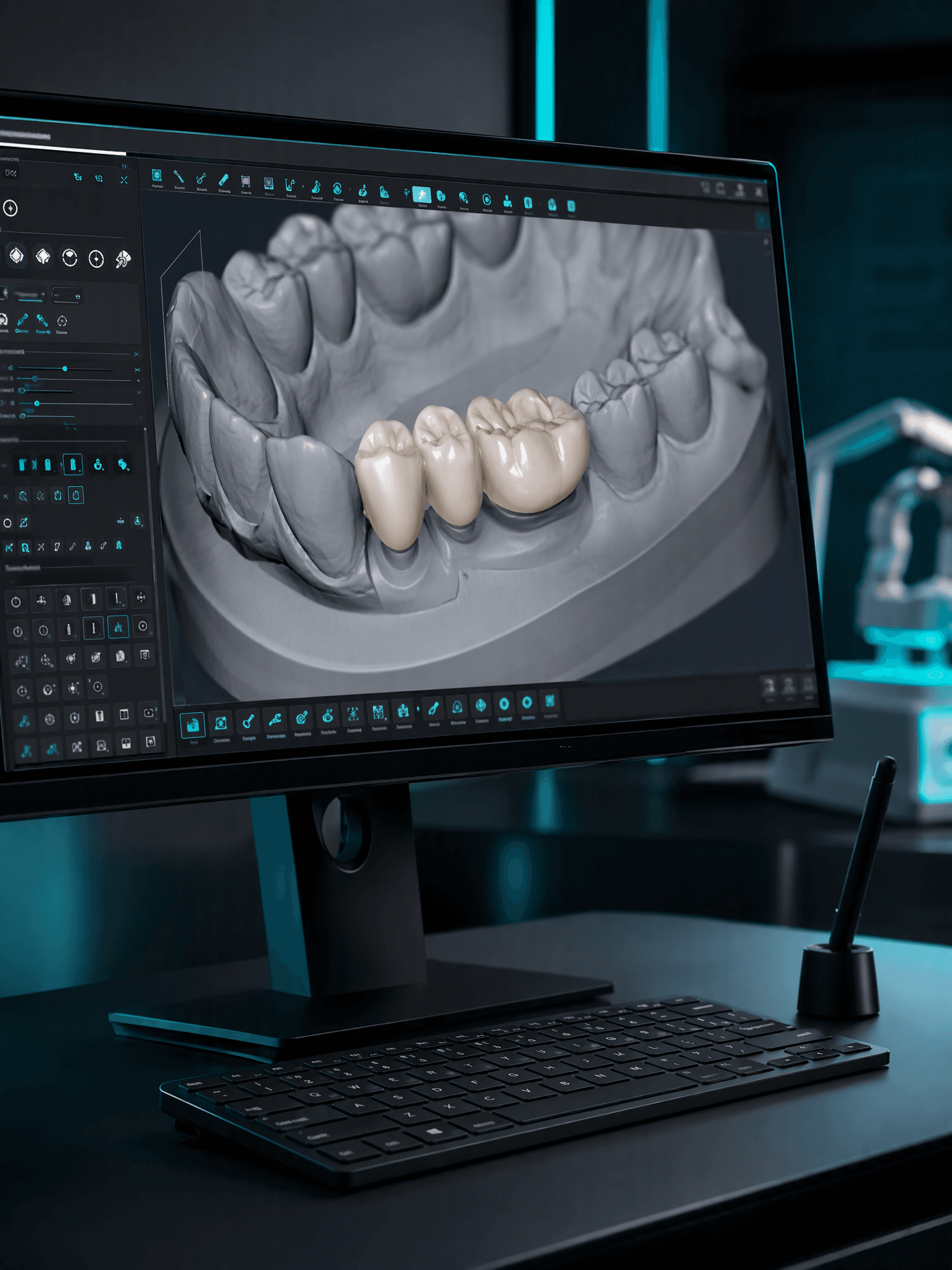
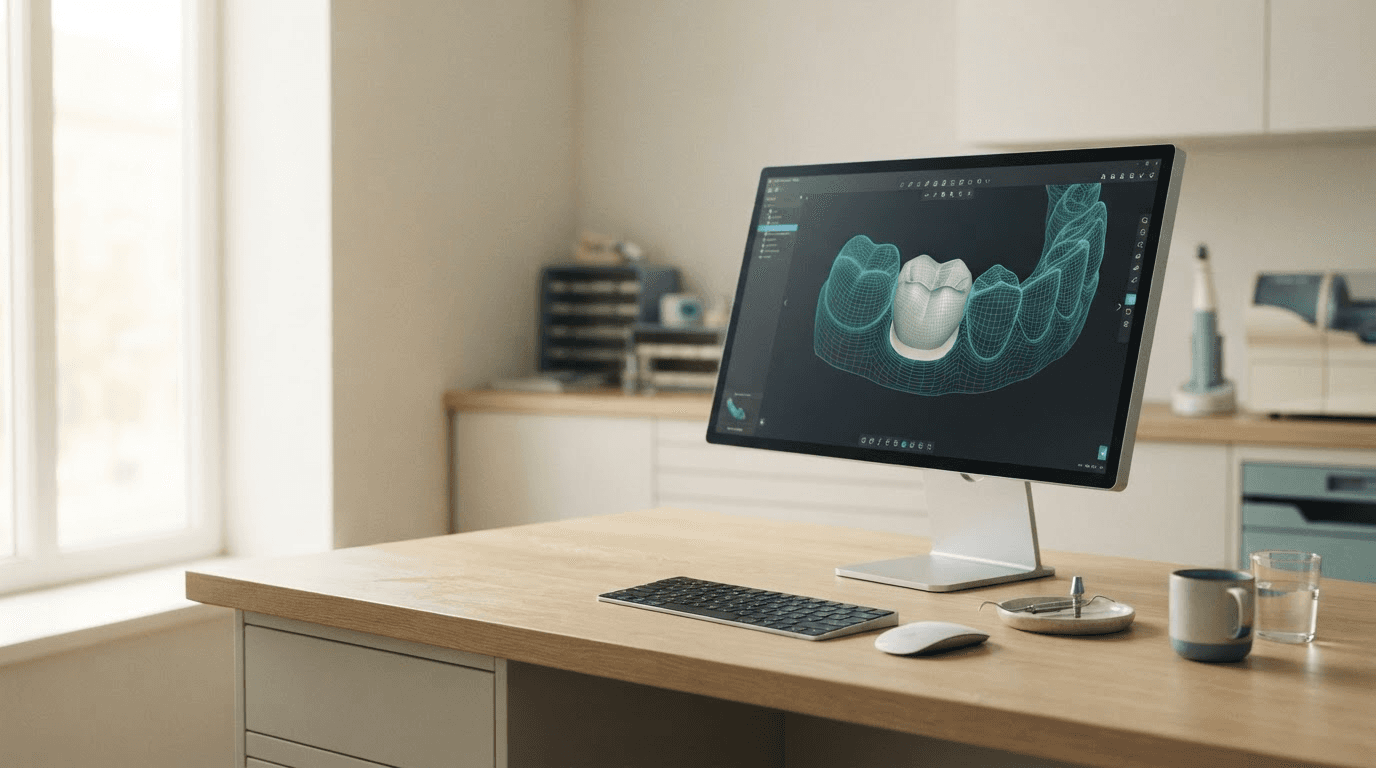
- The design team opens the case in Exocad, builds the restoration, and checks it against the requirements.
- You get back a design file ready for milling or printing, plus a preview so you can review it before it goes to production.
- If something needs adjusting, a revision round happens before the case ever touches your equipment.
The key difference from hiring in-house is that you are paying per case, not for a salary, software license, and workstation that need to be productive every single day regardless of how many cases come in that week.
What to actually check before picking a partner
Not all outsourced Exocad design is the same, and the difference shows up fast once real cases start moving through it. A few things worth checking before you commit a real case:
Turnaround time that's stated up front, not "it depends." A well-run provider can turn around standard crown and bridge cases within 24 hours and will tell you that number without hedging. Vague answers here are usually a sign the workflow is not consistent.
A real revision policy. Digital design is not always right on the first attempt, especially on complex full-arch or implant cases. Ask how many revision rounds are included and what happens if a case needs more than that.
Case types they actually handle regularly, not just claim to support. Single crowns are the easy end of the spectrum. Full arch implant-supported restorations, surgical guides, and complex bite cases require a different level of experience. Ask for examples of similar cases if you are sending something unusual.
How files move and who has access to them. Patient scan data should move through a system with some access control, not a shared folder anyone can reach. This matters more once you are sending a steady volume of real patient cases.
Communication when something is unclear. The best outsourced design relationships work almost like an extension of your own team. If a margin is unclear or a shade note is missing, you want someone who asks rather than guessing and sending it back wrong.
Where quality control actually breaks down (and how to catch it early)
The objection labs raise most about outsourcing is some version of "how do I know the quality will hold up when I'm not the one designing it." It's a fair question, and the honest answer is that quality control in outsourced CAD design breaks down in a small number of predictable places, not randomly.
At the handoff, not in the design software. Exocad produces the same quality of output regardless of who is running it. What varies is the information the designer has to work with. A margin that's ambiguous in the scan, a shade note that got left out, an occlusal scheme that was never specified: these turn into a design that's technically clean but wrong for the case, and the designer had no way to know otherwise.
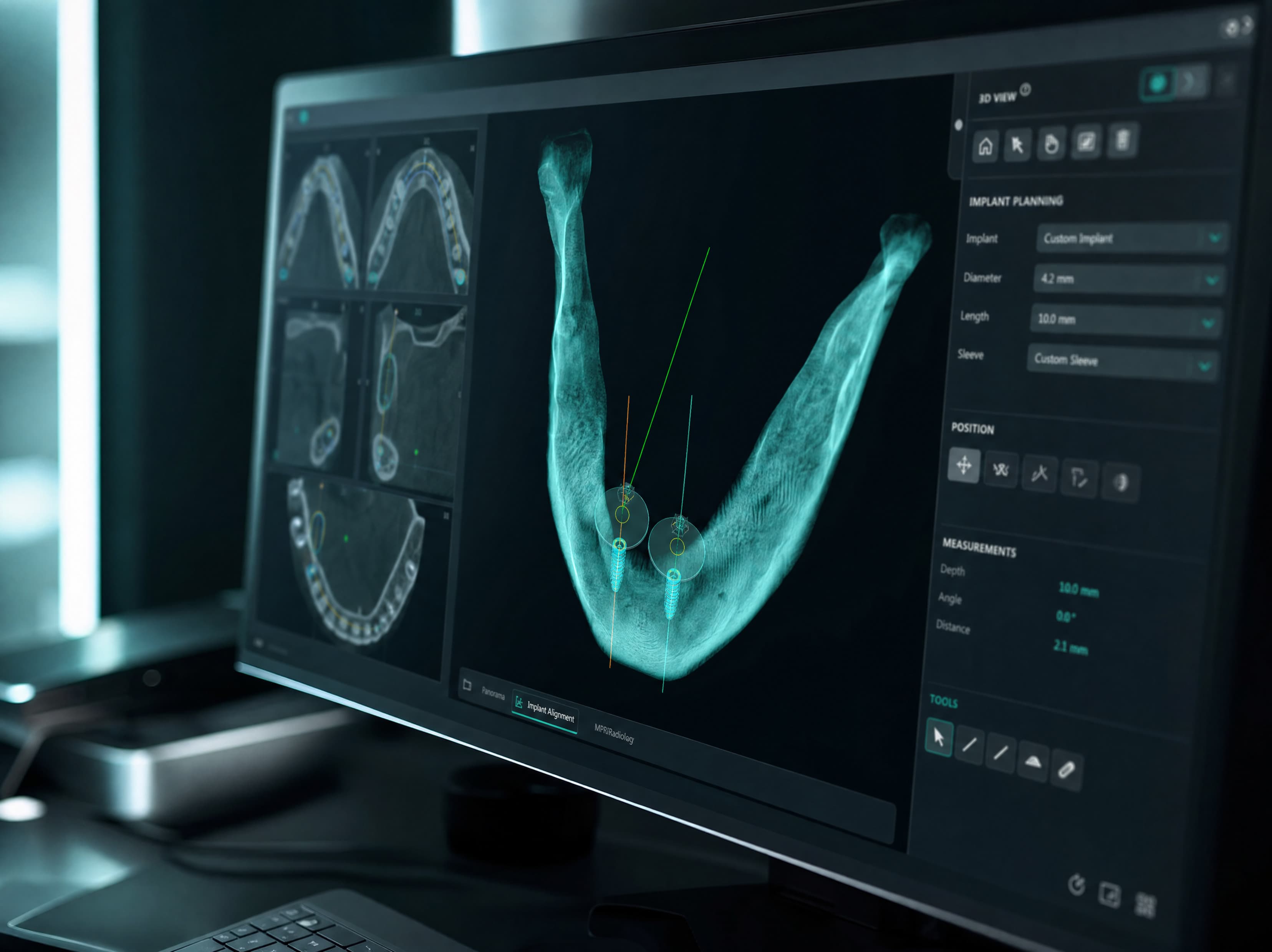
When there's no review step before export. A provider that exports straight to a milling-ready file without showing you the design first is asking you to trust blind. Screenshots of the proposed design, checked against your original request before anything is milled, is what catches a misread margin or an occlusal contact that doesn't seat properly, while it still costs nothing to fix.
When revisions are treated as a favor instead of part of the process. If a provider pushes back on a reasonable revision request, or charges for the first round of changes, that's usually a sign quality wasn't part of their process to begin with, just an afterthought if you push hard enough.
Catching problems early is mostly a matter of building these checks into how you send and receive every case, not just the first one. Send a case only once your scan and notes are complete, review the design screenshots against your original request before approving export, and keep a short internal note on any case that needed more than one revision so you can spot a pattern before it becomes a habit.
The case types this usually makes the most sense for
Outsourcing tends to pay off fastest on the case types that eat the most in-house design time:
- Single and multi-unit crown and bridge cases, where volume matters more than complexity
- Full arch implant-supported restorations, where in-house expertise is often thinnest
- Night guards and occlusal splints, which are simple but time-consuming at volume
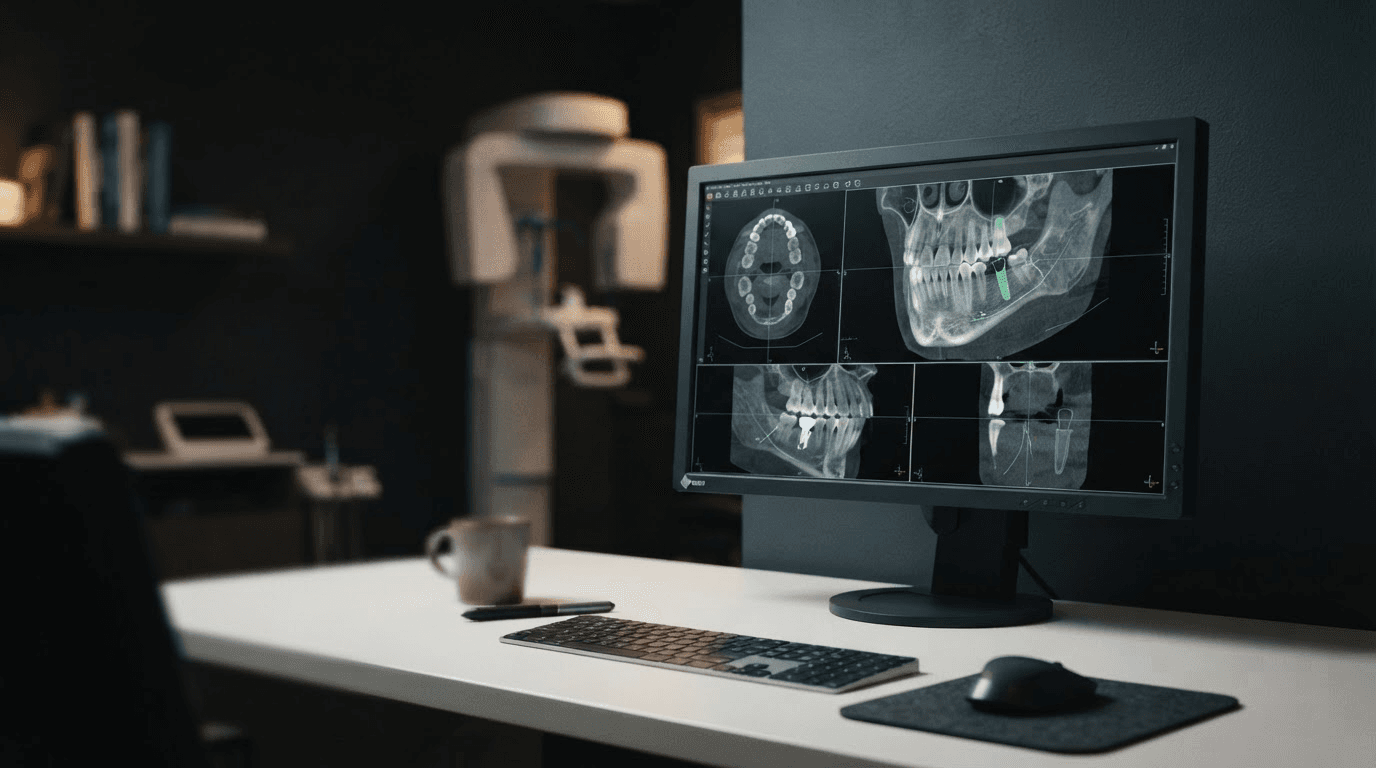
- Surgical guides that need to be coordinated with a separate implant planning workflow
- Overflow work during busy periods, so your in-house team is not the bottleneck
The cost comparison labs usually skip
It is worth actually doing the math instead of assuming outsourcing is more expensive. A full-time Exocad designer's salary, plus a software license, plus a capable workstation, adds up to a fixed monthly cost whether you have 20 cases that month or 80. Outsourced design is priced per case, which means the cost scales with your actual volume. For labs with fluctuating case counts, or labs that are not yet at the volume where a full-time designer is justified, the per-case model is usually the more efficient one, at least until volume is consistently high enough to make an in-house hire pay for itself.
That does not mean outsourcing is always cheaper in every scenario. A high-volume lab running hundreds of straightforward crown cases a month may genuinely be better off with an in-house designer once volume is stable and predictable. The point is to run the comparison honestly rather than assume either direction by default.
How to start without betting a real deadline on it
The labs that have the smoothest experience switching to (or adding) outsourced Exocad design usually start the same way: with a small batch of straightforward cases first, not the most complex case on their desk that week. A handful of standard crown and bridge cases is enough to judge turnaround time, communication, and design quality without any real risk if something goes wrong. Once that batch comes back on time and to spec, scaling up to more complex cases and higher volume is a much easier decision.
A quick note on file compatibility
One common worry labs have before trying this is file compatibility. In practice, the STL format used by most intraoral scanners and lab scanners is broadly compatible across systems, and any competent Exocad design service should be able to work directly from your existing scan files without you needing to change scanners or software on your end. If a provider tells you that you need to switch your scanning hardware just to send them a case, that is worth treating as a red flag rather than a technical requirement.
Outsourcing Exocad design is not about replacing your lab's expertise. It is about giving your team more capacity without the overhead of hiring, so the cases that do need your in-house team's full attention actually get it.
If you want to see how this works with a real case instead of taking it on faith, Denta Dynamics' Exocad design service is priced simply, at $15 per tooth, with your design turned around within 24 hours. Send a single straightforward case first and judge the quality control for yourself before you commit any real volume to it.